
Will Robots Replace Humans in Manufacturing?
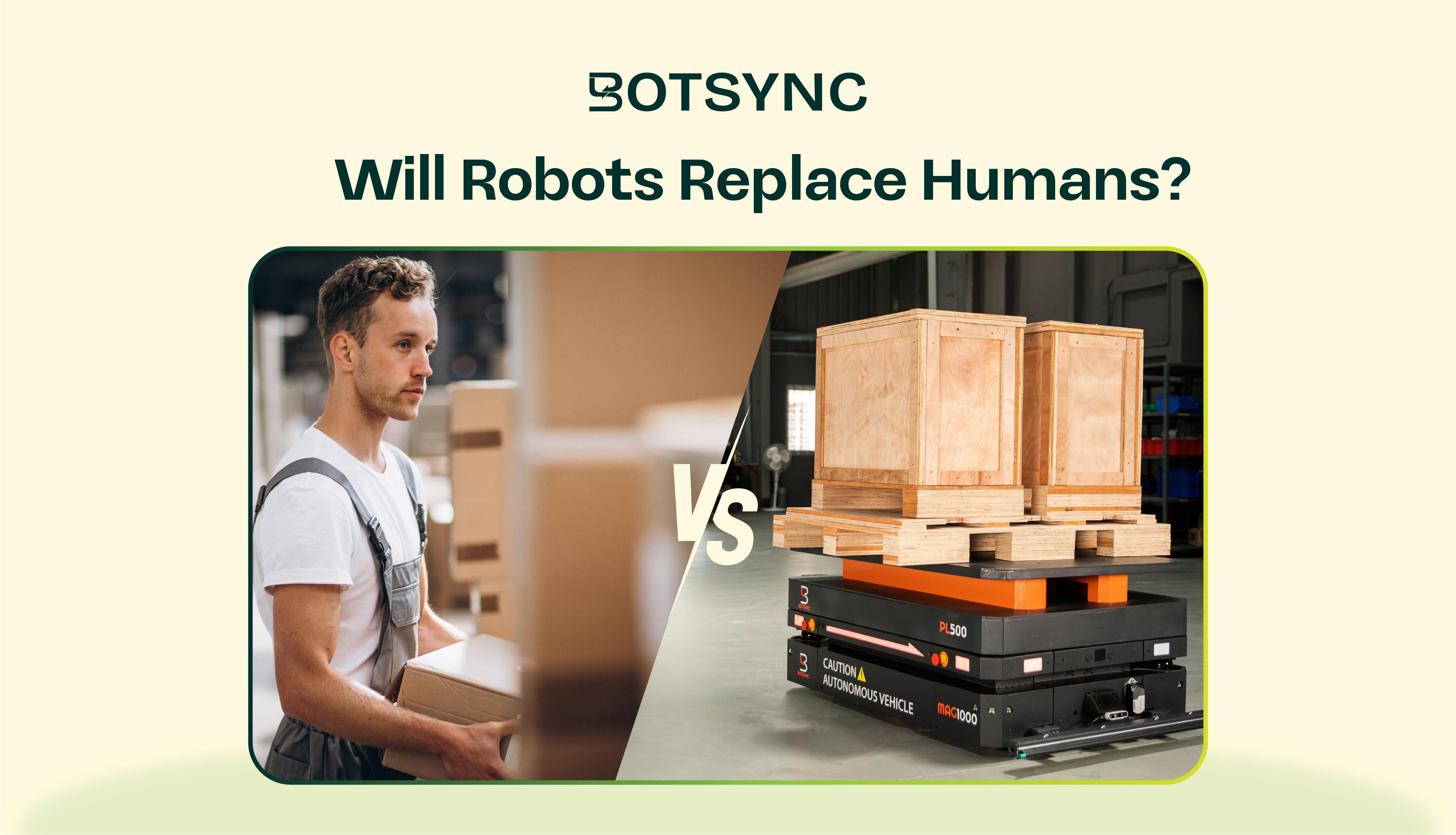
Explore how robots and human workers are reshaping manufacturing together, combining automation, productivity, adaptability, safety, and human expertise.
The Future of Manufacturing Isn’t Human or Robot. It’s Both.
Robot adoption in factories continues to surge across the globe. According to the World Robotics 2024 report by the International Federation of Robotics, the global average robot density has reached an all-time high of 162 robots per 10,000 employees in 2023. That’s more than double the number from just seven years ago.
At the same time, manufacturers are grappling with labour shortages, complex supply chains, and rising cost pressures. It’s easy to see why the question arises—will robots eventually replace humans in manufacturing?
The short answer: not entirely. And here’s why.
The Productivity-Worker Paradox
Deloitte’s 2024 Manufacturing Industry Outlook highlighted a curious paradox: even as automation increases, manufacturers continue to cite access to skilled labour as a top challenge. In fact, more than 75% of executives surveyed reported difficulty filling critical operational roles.
This isn’t because robots aren’t good enough. It’s because they aren’t complete substitutes for human workers.
While autonomous mobile robots (AMRs), robotic arms, and other automated tools can now perform tasks ranging from picking to palletizing, they still depend heavily on human oversight for setup, exception handling, maintenance, and continuous improvement.
What Robots Are Really Good At
Let’s give credit where it’s due. Robots have revolutionized how work gets done on the shop floor. Here’s where they shine:
- –Repetitive tasks: Robots excel at doing the same thing, over and over, without fatigue or error. Think material transport, machine tending, or basic packaging.
- –Dangerous environments: Whether it's working near hazardous chemicals or in high-temperature zones, automation helps keep humans out of harm’s way.
- –Round-the-clock operation: Robots don’t need coffee breaks or shift rotations. They can work 24/7, significantly increasing throughput.
This translates into real benefits for workers—not threats. Robots take over the dull, dirty, and dangerous jobs. This frees up human workers to focus on roles that require problem-solving, creativity, and collaboration.
The Human Factor Can't Be Replaced
Despite the advancements, there are still things humans do better:
- –Adaptability: Humans can make judgment calls in unexpected situations. Robots, even AI-driven ones, still struggle with unstructured environments.
- –Interpersonal skills: Manufacturing isn’t just about machines. It’s about teams, suppliers, and customers—relationships still matter.
- –Continuous improvement: Kaizen, Six Sigma, lean—these philosophies rely on human insight to identify inefficiencies and experiment with better ways of working.
In fact, as systems grow more complex, human roles become even more essential to orchestrating, interpreting, and innovating within automated environments.
What This Means for the Future
Automation is undoubtedly transforming the nature of manufacturing work. But instead of framing it as a binary robots or humans, we should think in terms of collaboration.
The rise in robot density doesn’t signal the extinction of the human workforce. It signals a shift: toward a world where humans and machines operate side by side, each doing what they do best.
If anything, it’s not about replacement. It’s about redefinition.
Frequently Asked Questions
Why do manufacturers still have labour shortages despite adopting more robots? Robots take on repetitive and hazardous work, while factories still need people for software, quality, maintenance, and exceptions.